
Virtual Reality (VR) is playing an increasingly important role in the electric vehicle (EV) market, offering innovative ways for consumers to experience and interact with EVs before making a purchase decision. Here’s how VR is being utilized in the EV market:


Virtual Showrooms and Test Drives
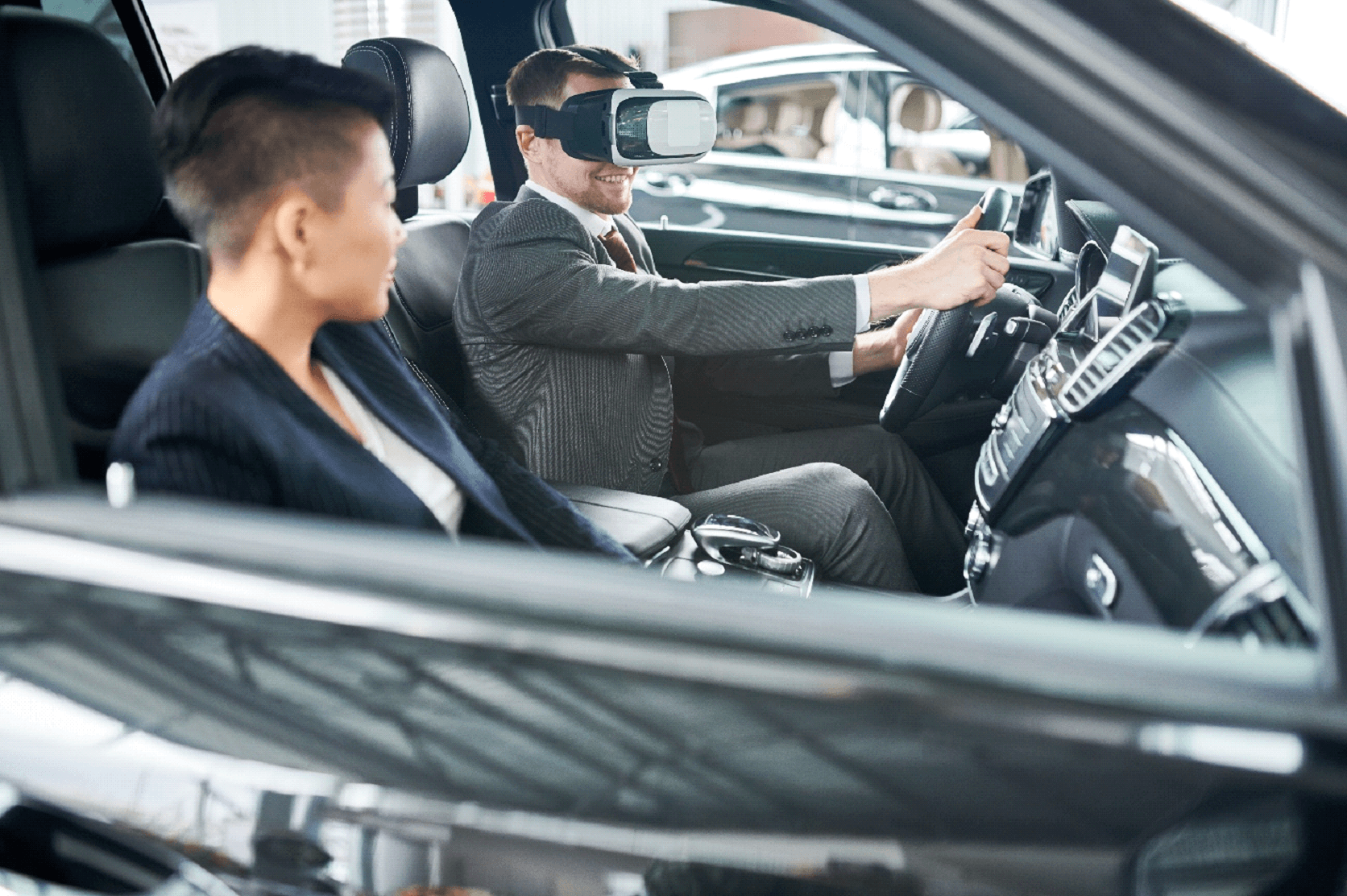
Automakers are leveraging VR technology to create immersive virtual showrooms and test drive experiences. Consumers can explore and configure EVs in a virtual environment, changing colors, trims, and options in real-time. This allows them to get a realistic sense of the vehicle’s interior and exterior without visiting a dealership4. VR test drives take this experience a step further by simulating the driving experience, allowing users to virtually operate the vehicle and experience its performance and handling characteristics. This can be particularly useful for showcasing the unique driving dynamics of EVs, such as instant torque and regenerative braking1.
Virtual Product Demonstrations
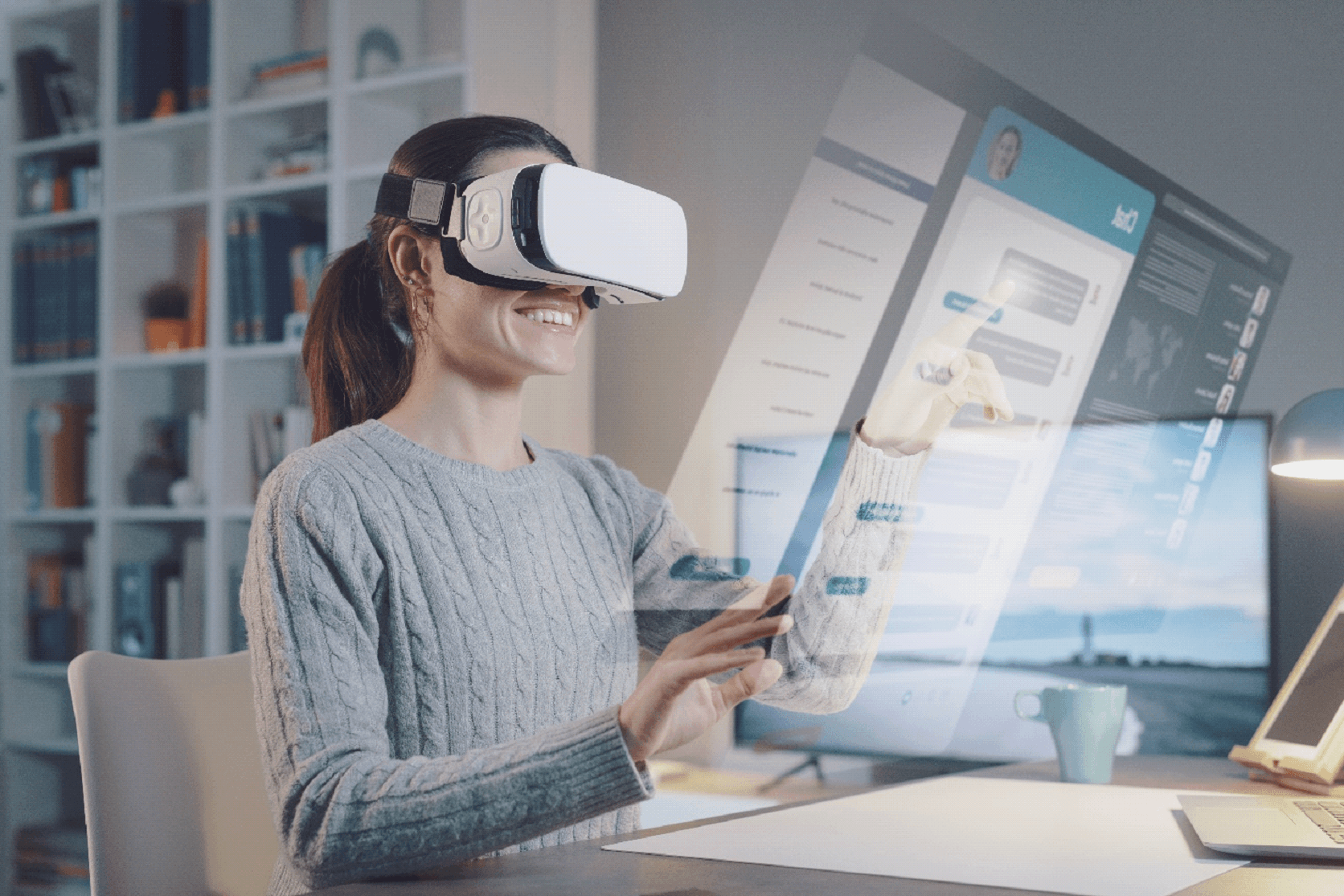
VR is being used to provide detailed virtual product demonstrations and walkthroughs of EV features and technologies. Consumers can explore the inner workings of electric motors, battery systems, and charging infrastructure in a highly engaging and interactive manner1. These virtual demonstrations can help educate consumers about the intricacies of EV technology, addressing common concerns or misconceptions, and ultimately building confidence in the adoption of EVs.
Virtual Design and Engineering
In the realm of EV design and engineering, VR plays a crucial role in enabling collaborative virtual prototyping and simulation. Engineers and designers can visualize and interact with virtual models of EVs, making real-time changes and evaluating their impact on performance, aerodynamics, and other factors3. This not only streamlines the design process but also reduces the need for physical prototypes, saving time and resources. VR simulations can also be used to test various scenarios, such as crash simulations or extreme weather conditions, without putting physical assets at risk.
Virtual Training and Maintenance
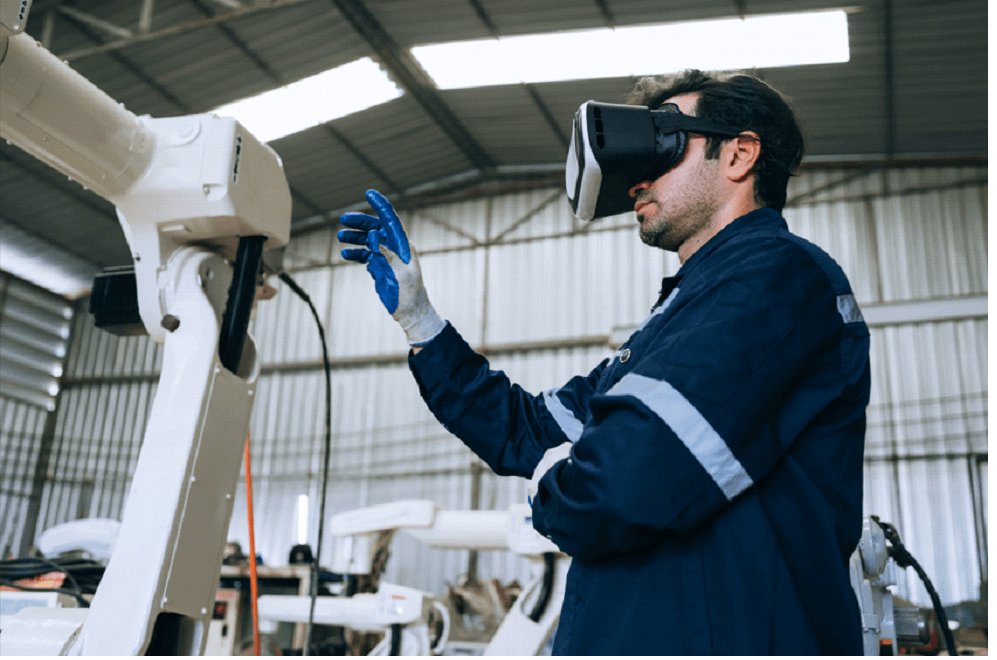
VR is being utilized for training purposes in the EV industry, allowing technicians and service personnel to practice maintenance and repair procedures in a safe, controlled virtual environment1. This can be particularly valuable for learning how to work with high-voltage EV systems and battery packs, minimizing potential risks. Virtual training can also be used to simulate various fault scenarios and troubleshooting exercises, ensuring that technicians are well-prepared to handle real-world situations.
Virtual Events and Conferences
With the rise of virtual events and showrooms, the EV industry is leveraging AR to create immersive experiences for attendees and potential customers 4. Virtual trade shows and product launches allow participants to explore EV displays, attend presentations, and interact with industry experts in a virtual environment, reducing the carbon footprint associated with physical events. Overall, AR technology is playing a crucial role in the EV market by enhancing the user experience, streamlining design and development processes, and providing innovative ways for consumers and
professionals to engage with electric vehicles1234.
Virtually Reality in the EV market
Virtual Reality VR
We combine real-world and computer-generated content! VR is paving the way for a new era of innovation in EV virtual showrooms, VR automotive training, electric vehicle design visualization, and immersive EV demos.
Be sure to follow us for updates on social media on Facebook, Twitter, and Linkedin.
Keep Reading
Related stories.
 AR & VR
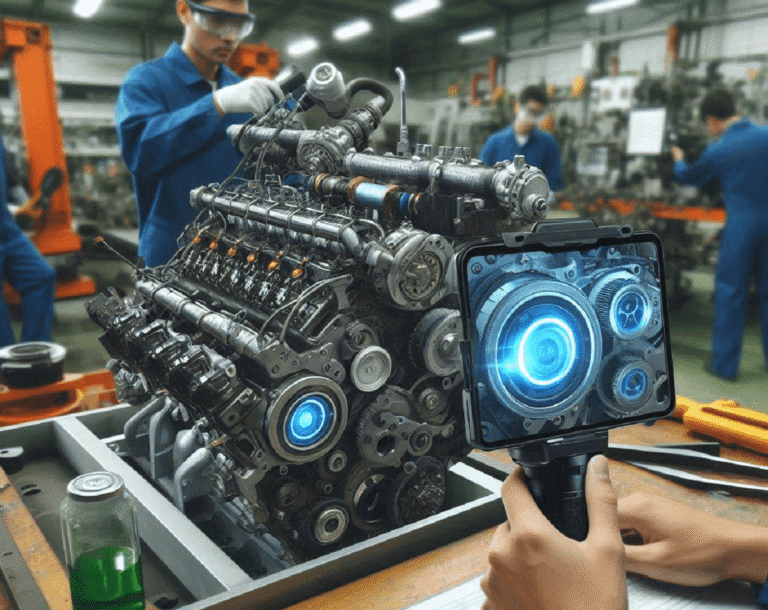
Engine maintenance training using (AR) Augmented Reality
Augmented reality (AR) is revolutionizing engine maintenance, training, and various industries by overlaying digital information onto the real-world environment. Here’s how AR…
Read more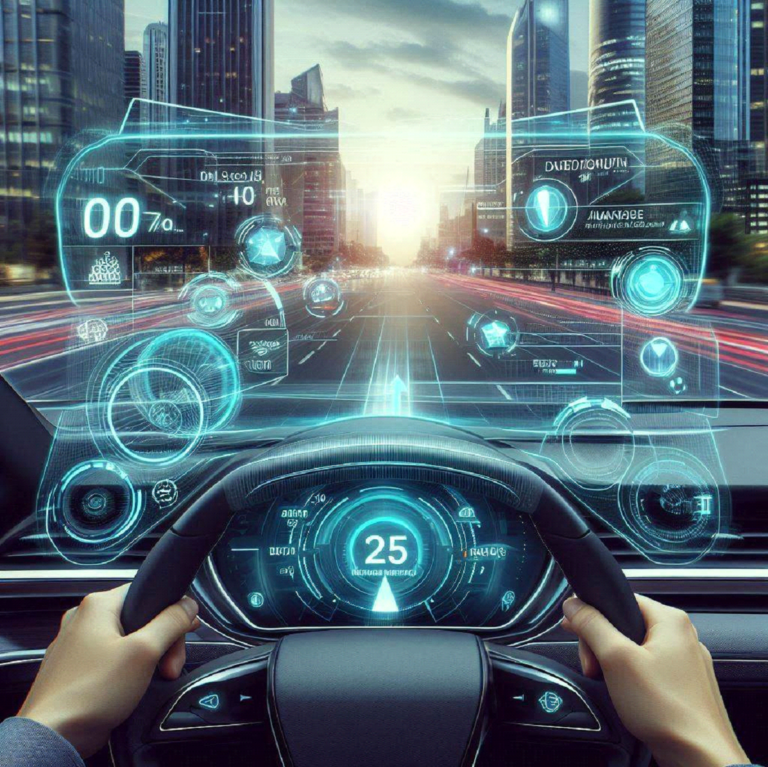 AR & VR
(AR) Augmented Reality in the EV market
Augmented Reality (AR) is revolutionizing the electric vehicle (EV) market by providing innovative and immersive experiences for consumers, designers, and technicians. Here’s…
Read more AR & VR
Augmented Reality for Engine Training
Augmented Reality for Engine Training – The automotive industry is changing remarkably because technological advancements redefine how we design, manufacture, and experience…
Read more