
The Next Phase of Automotive Visualization

Electric vehicles are changing fast, and the tools we use to build them need to keep pace. At Techcom Inc, we see automotive brands moving past traditional design methods to embrace spatial tools that shorten development cycles. Augmented Reality in the EV market is no longer just a futuristic concept shown at trade shows—it is an active driver of how teams engineer, market, and service next-generation cars.
The Future of Immersive Digital Twins in EV Manufacturing
Digital twins bridge the gap between physical manufacturing and digital data. By combining real-time IoT telemetry with spatial computing, engineers can project a live, interactive digital twin directly over a physical chassis on the assembly line. This overlay highlights assembly discrepancies instantly, allowing floor technicians to correct wiring harnesses or battery housing alignments before parts are bolted down. Scaling this approach drastically reduces physical prototyping costs and minimizes retooling delays. When design modifications happen in the cloud, engineering teams across continents can collaborate inside the same virtual vehicle model simultaneously, speeding up time-to-market for new EV platforms.
How does AR in electric vehicles improve battery maintenance?
AR maintenance manuals for EVs overlay step-by-step repair animations directly onto high-voltage components, guiding technicians safely through complex diagnostic routines. This visual guidance reduces human error and cuts down repair times significantly.
Can buyers experience virtual showrooms for electric vehicles from home?
Yes, web-based AR allows potential customers to project a life-size 3D model of an EV onto their driveway or living room floor using a standard smartphone, letting them customize paint colors, interiors, and wheel options in real scale.
What role does AR play during EV design and prototyping?
EV design and prototyping AR allows engineering teams to inspect interior ergonomics and powertrain layouts as full-scale holograms, cutting down the need to build expensive clay models early in the development cycle.
How do augmented reality automotive applications handle poor lighting conditions?
Modern automotive AR systems use sensor fusion, combining infrared cameras with traditional optical sensors, to maintain accurate tracking and projection even in low-light environments like underground garages.
Key Hardware and Software Requirements for EV Augmented Reality
- High-Brightness HUD Components: Automotive-grade Head-Up Displays require micro-LED projectors capable of exceeding 10,000 nits to maintain high contrast under direct sunlight, projecting critical driver data directly onto the windshield.
- Spatial Computing Sensors: A robust array of LiDAR scanners, time-of-flight cameras, and internal cabin sensors track driver gaze and hand gestures to enable touchless UI interactions.
- Low-Latency Rendering Engines: Real-time graphics pipelines built on Vulkan or DirectX 12 ensure frame rates stay above 90 FPS, preventing motion sickness and eliminating input lag in safety-critical driving scenarios.
- Edge-Computing Hardware: Dedicated on-board neural processing units (NPUs) process heavy environmental mapping data locally rather than relying purely on cloud connections.
Discover how Techcom Inc helps automotive manufacturers leverage augmented reality across EV production lines, virtual retail showrooms, and technical service workshops.

Enhanced Driving Experience
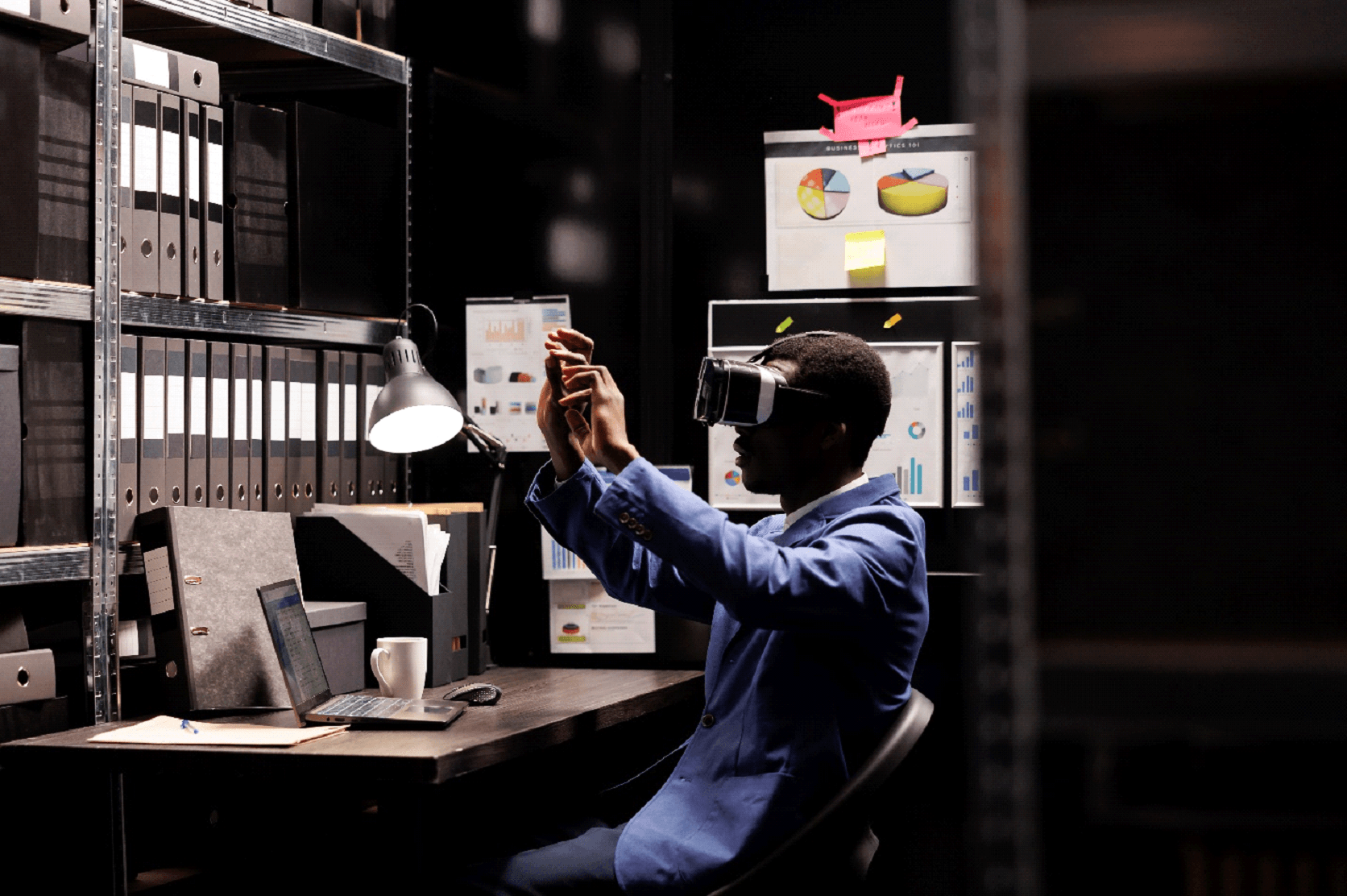
AR technology is being integrated into EV head-up displays (HUDs) to provide drivers with real-time information overlaid onto their field of view. This includes navigation cues, vehicle status indicators, and even virtual lane markers, enhancing the driving experience and safety. Additionally, AR can be used to display charging station locations, battery levels, and other relevant information directly on the windshield or a mobile device, making it easier for EV owners to manage their vehicles.
Simplified Design and Prototyping Process
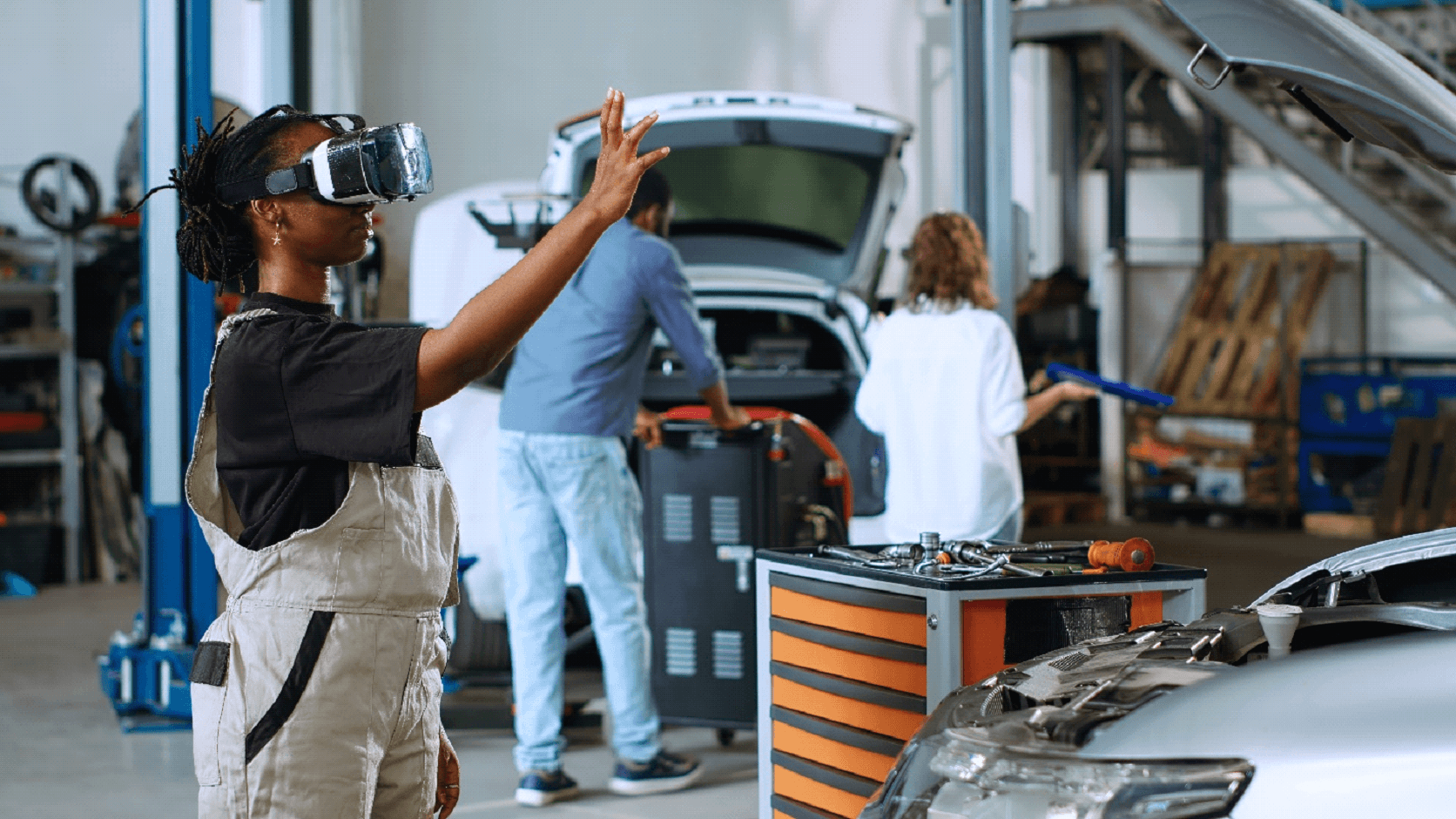
AR is streamlining the design and prototyping process for EVs by allowing engineers and designers to visualize and interact with virtual models in real-world environments. This enables them to evaluate design concepts, make real-time changes, and collaborate more effectively, reducing the need for physical prototypes and accelerating the development cycle. AR can also be used to simulate various scenarios, such as aerodynamic testing or crash simulations, providing valuable insights without the need for expensive physical testing.
Virtual Product Demonstrations
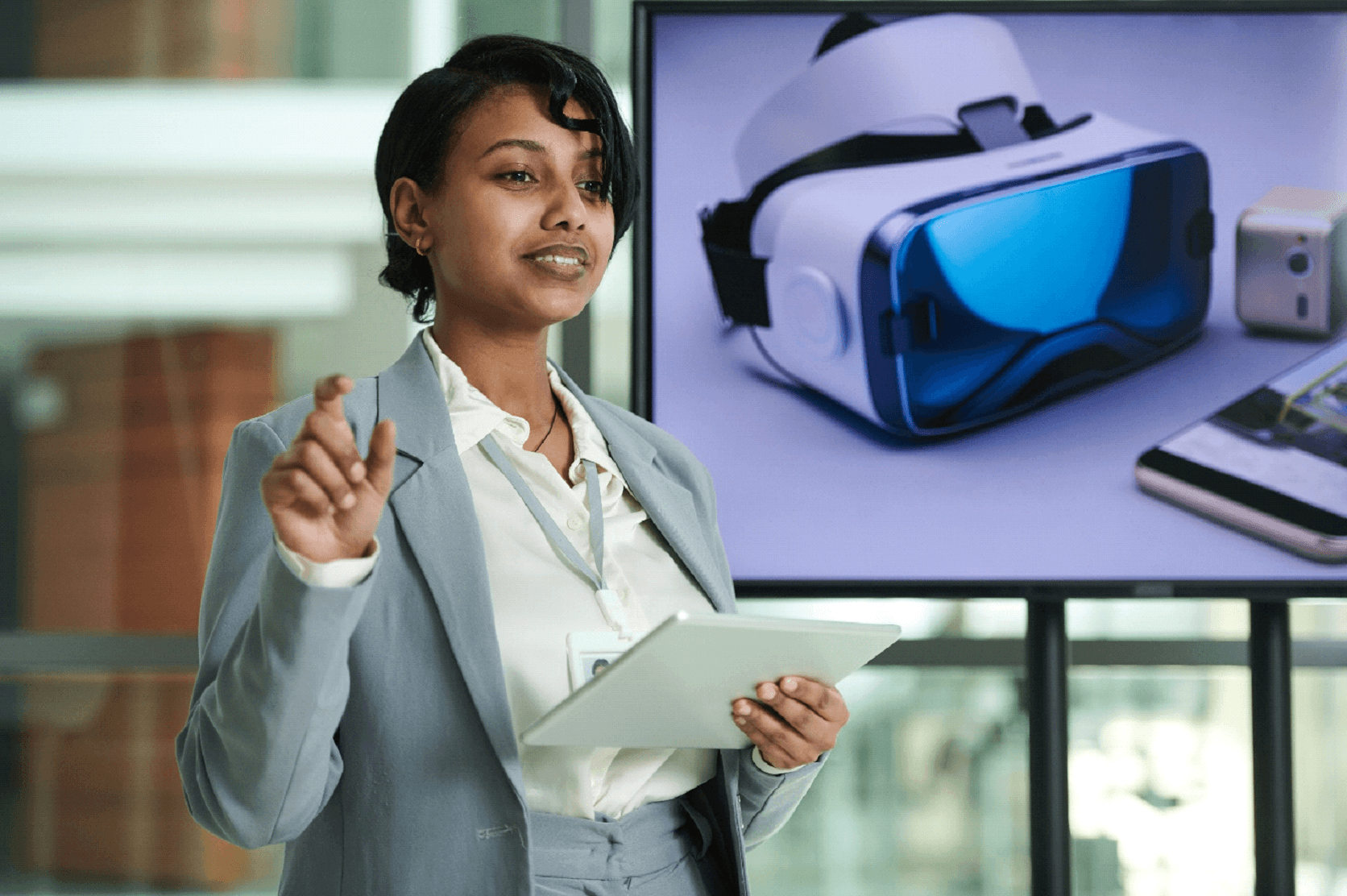
Automakers are leveraging AR to create immersive virtual product demonstrations and walkthroughs for their EV models. Consumers can explore the interior and exterior of the vehicle, visualize different configurations, and even experience features like regenerative braking or electric motor operation in a virtual environment. These interactive demonstrations can help educate consumers about the unique aspects of EVs, addressing potential concerns and building confidence in the adoption of electric vehicles.
Augmented Reality Manuals and Maintenance
AR is being used to create interactive manuals and maintenance guides for EVs, providing technicians and owners with step-by-step instructions overlaid onto the physical vehicle. This hands-free approach allows for easier access to information and guidance, reducing the risk of errors and improving efficiency. AR can also be used to visualize and diagnose issues with EV components, such as battery packs or electric motors, by overlaying diagnostic information and repair instructions onto the physical components.
Virtual Events and Showrooms
With the rise of virtual events and showrooms, the EV industry is leveraging AR to create immersive experiences for attendees and potential customers. Virtual trade shows and product launches allow participants to explore EV displays, attend presentations, and interact with industry experts in a virtual environment, reducing the carbon footprint associated with physical events. Overall, AR technology is playing a crucial role in the EV market by enhancing the user experience, streamlining design and development processes, and providing innovative ways for consumers and
professionals to engage with electric vehicles.
Augmented Reality in the EV market
3-D printing capabilities redefine visual 3D presentations. From Sci-Fi to Reality: 3-D is revolutionizing manufacturing. Explore the stunning Innovations in 3-D Printing markets.
Augmented Reality AR
We combine real-world and computer-generated content! Augmented Reality is paving the way for a new era of innovation. Join the AR digital revolution, enhancing customer experiences to revolutionizing employee training.
Product Displays
We provide various product displays, from small Point-of-Purchase to Major Trade Show Product Displays and unique Museum exhibit working modules. Furthermore, TECHCOM offers the best cutaways in the business. For example, our working Model Simulations show off your product and visually represent what is inside. Again, our training aid products are great for classroom teaching, training, or informative demos on the tradeshow floor.
Multi-Media
Highlight your products with powerful visual presentations for marketing, training, and trade shows. Moreover, our Computer Visualization takes your video, print, or media campaign to the next level. In addition, our Interactive services and Virtual Training bring your instructional programs to life. We also provide scriptwriting, graphics, and translation services. Above all, with our computer visualization and training expertise, we offer multiple solutions for your simulation needs.
Publications
Let us interpret complex technology and concepts for your audience with exceptional Technical writing and technical graphics services for print and digital technical publications. Moreover, our technical writers craft basic technical information into helpful print and digital publications.
In addition, TECHCOM has created tens of thousands of illustrations and graphics to demonstrate various components and concepts—for instance, visual representation of internal wiring and electrical systems. Also see Technical Publication Markets.
Be sure to follow us for updates on social media on Facebook, Twitter, and Linkedin.
Keep Reading
Related stories.
 AR & VR
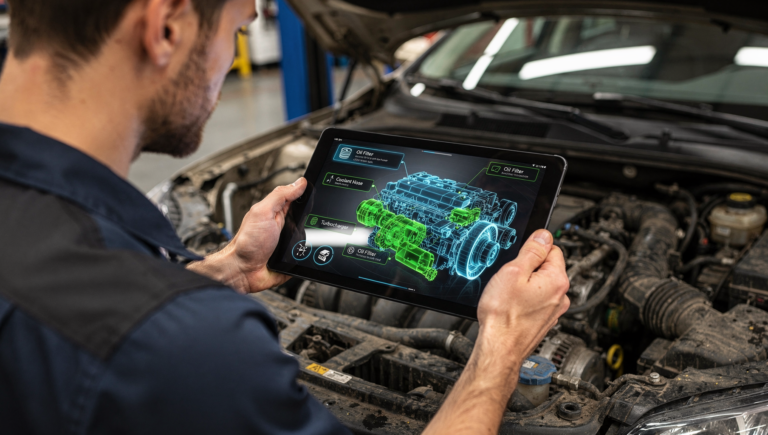
AR vs. VR for Technician Training: What Each Is Good For
Traing AR vs. VR for Technician Training: What Each Is Actually Good For Augmented reality puts digital information on the real machine.…
Read more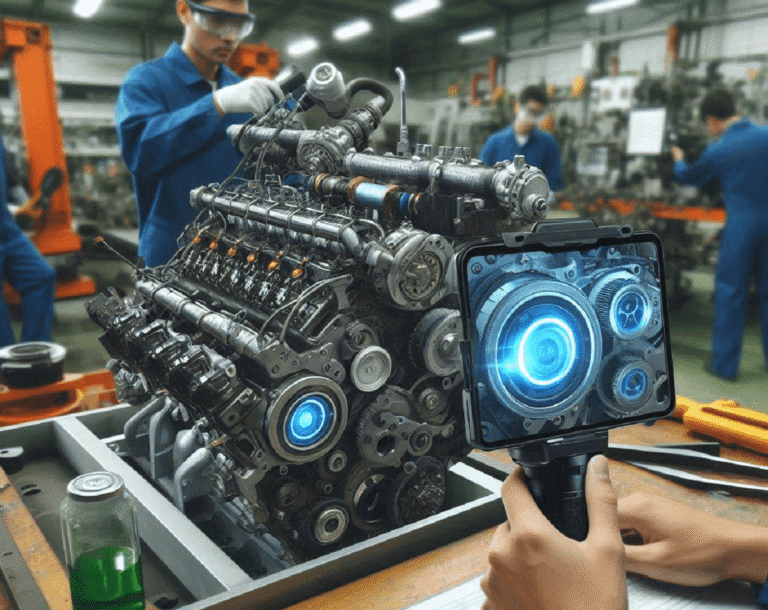 AR & VR
Engine maintenance training using (AR) Augmented Reality
The Business Case for Immersive Tech Traditional onboarding for diesel and gasoline powerplants takes months of shadowing senior mechanics. At Techcom Inc,…
Read more AR & VR
(VR) Virtually Reality in the EV market
The electric vehicle industry moves fast. Traditional manufacturing cycles simply cannot keep pace with shifting consumer demands and battery technology updates. That…
Read more