
An interactive electronic technical manual (IETM) is a portal to manage technical documentation.
IETMs compress volumes of text into online pages, which may include sound and video, and allow readers to locate needed information far more rapidly than in paper manuals.
IETMs became widely used in the 1990s as huge technical documentation projects for the aircraft and defense industries. Examples of interactive electronic manuals include aerospace, agricultural, automotive, electric vehicle, marine, HVAC, and medical industries.

Types and Classes of Interactive Electronic Technical Manuals IETM
There are six classes of IETMs systems. But these classes are more like points in a spectrum of features, with most real-world IETM products falling somewhere between two classes.
TYPE I
Class 1
This IETM class follows the structure and format of a book, with indexes and a table of contents that link into the content of the document.
Class 2
This format includes more hyperlinks than Class I, such as figures, tables, and section references. A PDF document containing links is a typical example containing XML markup.
Class 3
The difference between Class II and Class III is analogous to the difference between a PDF book and a website. The book structure is discarded; instead, the document is structured more freely following the logic of the content. you can print the document, but it won’t necessarily match the presentation on the screen. Hyperlinking throughout the document is expected. The document would contain XML markup.
TYPE II
Class 4
This class now finds the data in a relational database, obtaining the benefits of data integrity and removal of data redundancy. Relationships in the content seen as hyperlinks are mapped directly to relations in the database schema. Redundancy in the data that exists in earlier classes should be removed. The sequence of presentations is also different from earlier classes. There is no longer the concept of a static page. Content can change dynamically based on users’ navigation and input through the content; the content may now be user-specific. It is no longer possible to print a linear format of the document.
Class 5
In this class, the documentation is now integrated with expert systems that may influence the display of content. For example, the IETM system may aggregate data from many users’ inputs, feed that to the expert system that analyzes it, and then the result gets fed back to the user through the IETM system.
Class 6
A network model database was used. A dynamic multi-destination hyperlink system was used. Included system-oriented layers and troubleshooting, assembly, and disassembly aspects. The Advanced Interactive Electronic Technical Manual (A-IETM 1992) was an R&D Augmented Reality (AR) version of this system designed to help to guide the standards used in the markup of the documentation – the idea being a UI-independent data stream. Maintenance in the field and training were both benefits of this system.
Tell us about your interactive electronic technical manual project. Let our team create your next interactive electronic technical manual for your business or organization.
Also see:
Photo to Line Art Conversions
Service Manuals
Technical Illustration Services
Technical Writing
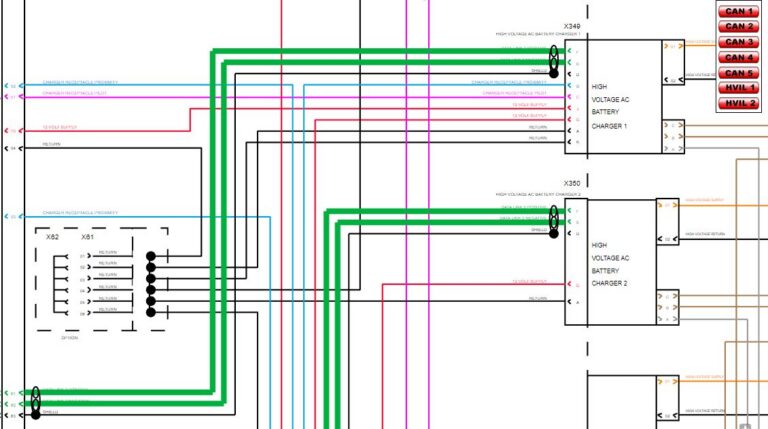
TECHCOM creates clickable wiring diagrams, digital wiring schematics, interactive circuit tracing and IETM wiring diagram to demonstrate various components and concepts—for instance, and visual representations of internal wiring and electrical systems.
Be sure to follow us for updates on social media on Facebook, Twitter, and Linkedin.
Keep Reading
Related stories.
 Technical Docs
Interactive Wiring Diagrams: Smart Solutions for Complex Electrical Systems
Modern technical documentation is evolving—and interactive wiring diagrams are leading the way in how electrical systems are visualized, understood, and maintained. These…
Read more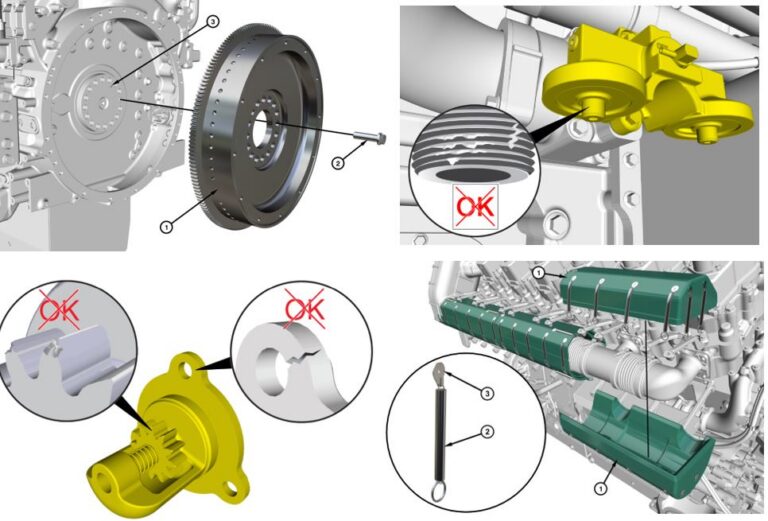 Technical Docs
Technical Illustration Services
Technical illustration services by illustrators create technical illustrations to visually communicate information of a technical nature. For example, technical illustrations can be…
Read more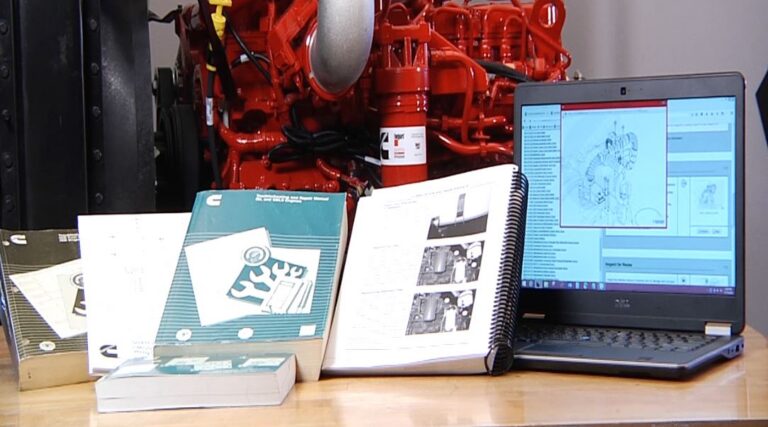 Technical Docs
Technical Publication
Technical Publication Writer | Technical publications convey scientific, engineering, or other technical information. Individuals in various contexts and with varied professional credentials…
Read more