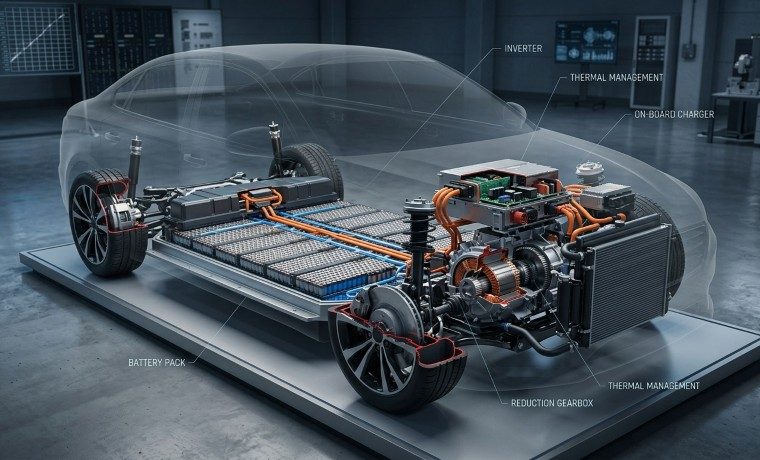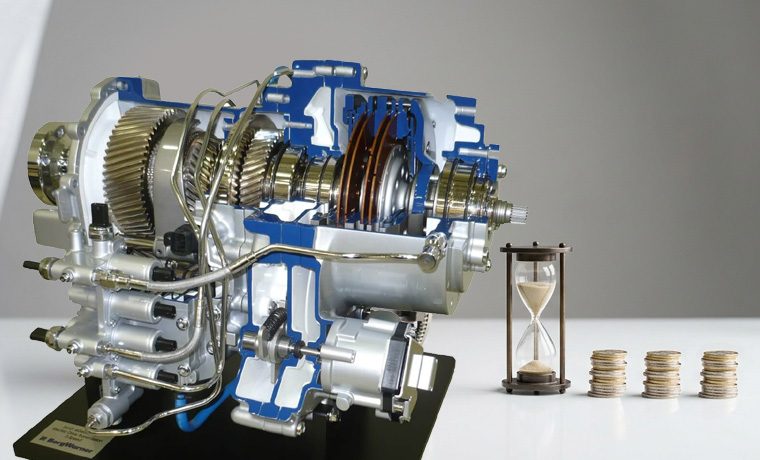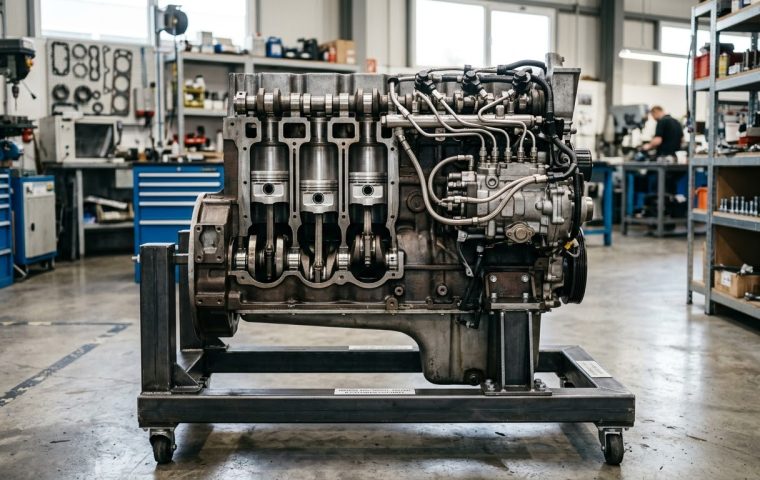
A cutaway motorcycle engine is an internal combustion motor physically sectioned to expose its internal components, pistons, and gear trains. By removing precise sections from the crankcase, cylinder head, and transmission housings, it transforms a complex, closed machine into a transparent visual teaching tool. Our customers include sales representatives, engineers, museum curators, and trade show marketers who rely on these physical models to demonstrate combustion dynamics and power delivery in a way digital renders cannot replicate.

Anatomy of a Sectioned Motorcycle Motor
Every square millimeter of a motorcycle powertrain matters. When you slice through an engine block, you expose the intricate choreography happening beneath the valve cover.
- Cylinder and Piston Assembly: Shows ring lands, wrist pins, and cylinder wall cross-hatching.
- Valve Train and Camshafts: Exposes overhead cam profiles, rocker arms, and precise valve seating angles.
- Transmission and Clutch: Reveals gear dog engagement, shift drums, and multi-plate clutch packs.
- Lubrication Channels: Highlights oil galleries, pump gears, and splash lubrication pathways.
Our designers often finish internal cut surfaces in contrasting colors. Machined aluminum stays bright silver, while oil passages receive a dark coating and combustion chambers get matte black finishes. This visual coding guides the viewer’s eye straight to the points of mechanical interaction.
Engineering and Fabrication Process
Transforming a running motorcycle engine into a static or motorized display piece takes weeks of specialized labor. The process starts with a complete teardown and chemical degreasing. Every drop of oil, carbon deposit, and gasket material must vanish before any cutting tool touches metal.
Techcom technicians map out the cut lines using CAD software or manual templates. They want to preserve critical mounting points while maximizing sightlines into the crankcase and transmission.
- Initial Rough Cuts: Heavy-duty band saws and waterjets remove large sections of the outer engine casings and cylinder blocks.
- CNC Milling and Wire EDM: High-precision computer numerical control machines clean up the rough edges and create flat, clean section planes.
- Manual Finishing: Artisans deburr every sharp edge, hand-polish exposed metal surfaces, and paint internal cavities for high-contrast viewing.
- Motorization Integration: Technicians install internal bearings and link the crankshaft to a low-RPM electric gearmotor so visitors can watch the internal mechanics move smoothly.
When executed correctly, the final piece looks like an industrial sculpture that also demonstrates thermodynamic conversion.
Applications in Training and Marketing
A static spec sheet tells you displacement and horsepower, but a physical display proves engineering capability. Brands use these models across several distinct environments to educate buyers and technicians.
Trade show floors demand high-impact visuals. A motorized display draws crowds from across the convention center, giving sales teams a tangible centerpiece to explain proprietary valve technologies or lightweight alloy construction.
Technical training centers use these cutaway models to teach diagnostic procedures and assembly tolerances. Apprentices can trace the path of oil pressure or inspect how a timing chain tensioner operates under load without pulling apart a customer bike.
For a deeper dive into bespoke display projects, review our work with custom engine cutaway designs.
Alternatives
When physical sectioning isn’t practical because of weight restrictions or budget constraints, engineers and marketers turn to alternative visualization methods.
- Digital 3D CAD Renders and Animations: Software models offer infinite rotation and exploded views, though they lack the tactile realism of physical metal.
- Transparent Acrylic Mockups: Clear plastic engine replicas show fluid movement clearly, but they cannot handle real metal weights or high-stress structural configurations.
- Virtual Reality (VR) Simulators: Immersive headsets let users step inside a virtual combustion chamber, trading physical presence for interactive digital scale.
Comparison
| Method | Realism | Interactivity | Portability | Durability |
|---|---|---|---|---|
| Cutaway Motorcycle Engine | Maximum (Real metal) | High (Motorized motion) | Low-Medium (Heavy) | High (Industrial build) |
| 3D Digital Render | Medium-High | High (User-controlled) | Maximum (Cloud-based) | N/A (Virtual) |
| Acrylic Engine Model | Medium | Medium-High | High (Lightweight) | Low-Medium (Fragile) |
Display and Maintenance Considerations
A heavy mechanical display requires robust infrastructure. A multi-cylinder inline-four or large V-twin engine cutaway can easily weigh hundreds of pounds. Mounting systems must tie directly into factory engine mount points, utilizing structural steel frames that keep the display stable during public handling or shipping between events.
Maintenance remains straightforward if builders seal the exposed raw aluminum against oxidation. A light coating of clear industrial lacquer prevents finger oils from staining the machined surfaces. For motorized units, routine gearmotor lubrication keeps the internal pistons moving silently throughout long trade show days.
To explore more specialized configurations, see our portfolio dedicated to motorcycle cutaways.
Driving Engagement Through Mechanical Transparency
Buyers and students connect with mechanical reality. Hiding engine mechanics behind opaque painted covers leaves the most impressive engineering work unseen. Sectioning a motor brings hidden geometry into view, proving the quality of your internal design choices to everyone who walks past the display.
TECHCOM Inc. builds precise mechanical exhibits tailored for trade shows, corporate lobbies, and technical training facilities. Contact our team today to discuss your next powertrain display project.
Frequently Asked Questions
What is a cutaway motorcycle engine?
A cutaway motorcycle engine is a real mechanical motor precisely sectioned to expose internal components like pistons, valves, and gear trains for viewing.
How do engineers manufacture a sectioned motorcycle motor?
Engineers use precision CNC machining, wire EDM, and manual grinding to slice through engine blocks while maintaining structural integrity.
What are the main uses for a powertrain display model?
Powertrain display models serve primarily in trade show exhibits, technical training facilities, and corporate showrooms to explain complex mechanical engineering.
Can a cutaway motorcycle engine still move?
Yes, many cutaway models connect to low-RPM electric gearmotors so visitors can watch pistons, connecting rods, and crankshafts operate in real time.
Recent Posts
- Visualizing Zero-Emission Powertrains: Cutaways and 3D Models for Hydrogen and EV Systems
- How Much Does an Engine Cutaway Cost? Factors That Drive Price and Timeline
- Diesel Engine Cutaways: Anatomy & Trade Show Displays
- Where to Order Automotive Engine Cutaways: Sourcing Guide
- Aircraft Cutaways: Engineering Displays & Training Aids
- Electric Motor Cutaway: Engineering and Training Guide
- Vehicle Cutaway Showing Components: Engineering Display Guide
- Automobile Cutaway Displays
- Airplane Cutaways: Exploring the Inner Workings of Flight
- Axle Cutaway Displays
- Boat Cutaways
- Construction Equipment Cutaways
- Diesel Cutaways
- Driveline Cutaways
- Engine cutaways

About TECHCOM
The company's mission is simple: solve problems. We take our clients' problems and make them our own. As a certified SBA WOSB and WBE, TECHCOM offers boutique-agency agility with the past performance of a global defense contractor — supporting programs like the OMFV, Cummins ACE, and Allison eGen Force with the technical visualization and documentation that power the modern warfighter.
Be sure to follow us for updates on social media on Facebook, X, and LinkedIn.