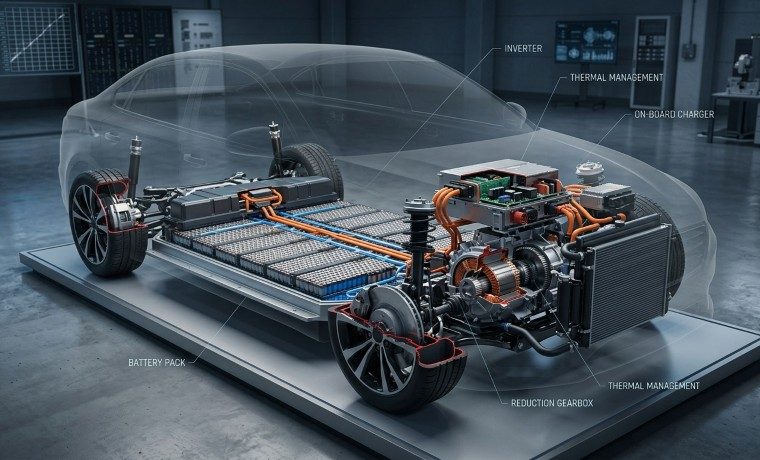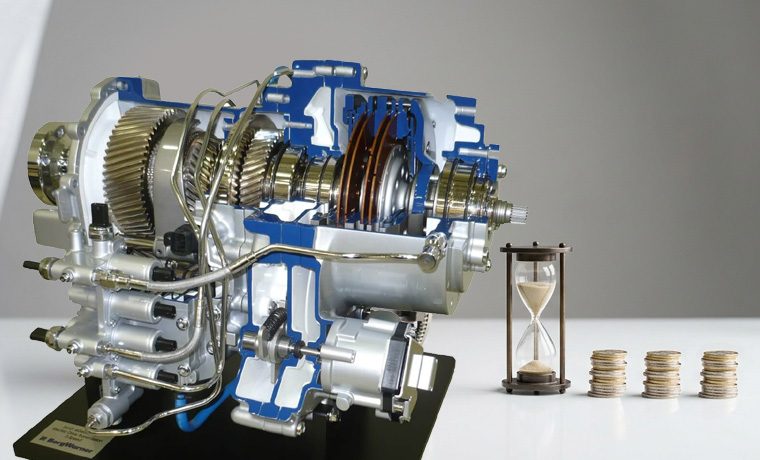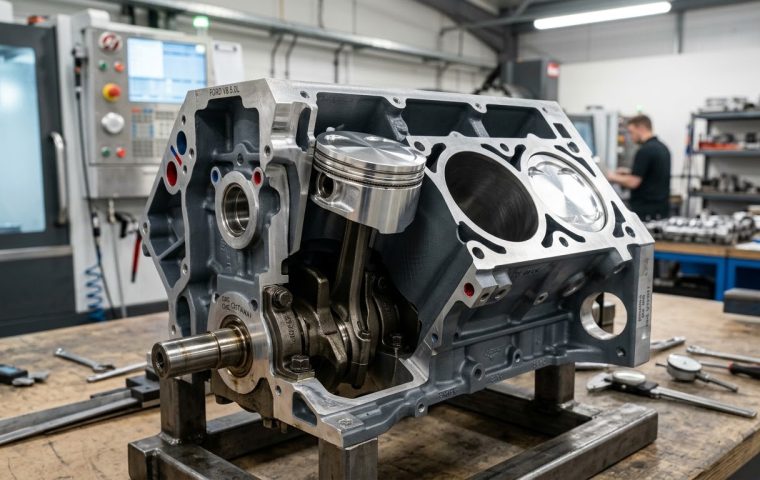
Diesel engine cutaways are physical powerplants sectioned to expose internal moving parts, fluid passages, and combustion chambers for technical training and high-impact trade show marketing. Unlike digital renders or static casings, these sectioned displays give engineers, students, and buyers an unhindered look at heavy-duty mechanics. Building these displays takes heavy machinery, engineering precision, and a deep understanding of metallurgy.
Modern heavy-duty powerplants feature dense blocks of cast iron, reinforced steel, and intricate aluminum heads. Exposing the inner workings requires removing precise sections of the crankcase, oil pan, and cylinder bores without compromising the block’s structural integrity. The resulting display transforms a heavy industrial machine into an interactive masterclass in thermodynamics and mechanical design.

The Engineering Behind Heavy Duty Engine Sectioning
Transforming a massive powerplant into a clear window of mechanical engineering is no small task. The process starts long before any metal gets cut. Technicians strip the unit down to the bare block, removing all fluids, gaskets, and ancillary electronics.
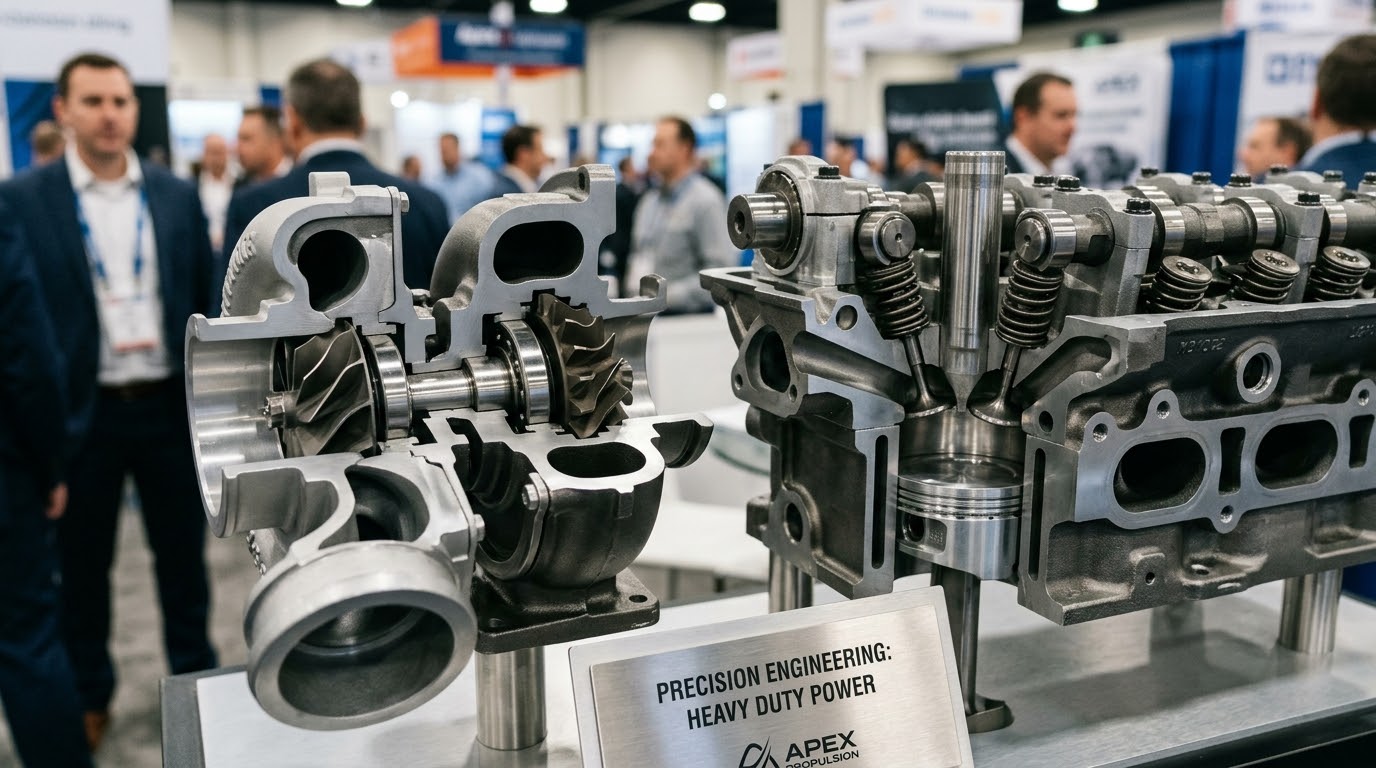
Engineers map out the exact cut lines to showcase critical systems. You need to expose the piston rings at Top Dead Center, reveal the fuel injector spray patterns, and show the turbocharger turbine wheel all in one unified view.
Once mapped, the block goes through specialized machining. Technicians use industrial band saws, wire EDM, and diamond-tipped milling tools to slice through thick steel and iron. Every cut surface undergoes extensive hand-grinding, sanding, and finishing. Technicians paint internal oil galleries in contrasting colors—usually red for high pressure, blue for return lines, and yellow for fuel—so viewers can trace fluid paths at a glance.
Why Industries Rely on Diesel Cutaway Models
Heavy machinery manufacturers and technical schools use sectioned units for two main reasons: sales conversions and technical comprehension.
A standard engine block looks like a large, painted metal box to a potential buyer walking a convention floor. Once you introduce diesel engine cutaways, the entire dynamic shifts. Visitors stop, lean in, and examine the bore finish, the connecting rods, and the exact placement of the overhead cams.
Technical training programs rely on these displays for similar reasons. Instructors can point directly to a sectioned fuel pump or a sliced common-rail injector. Students do not have to guess how high-pressure diesel fuel moves through the system; they can trace the metal pathways physically.
Key Applications for Sectioned Displays
- Technical vocational schools teaching heavy-duty diesel repair and diagnostics.
- Corporate showrooms for major agricultural and construction equipment manufacturers.
- Global trade shows where heavy machinery brands need to stand out on crowded floors.
- Research and development departments evaluating internal wear patterns on prototype blocks.
Bringing Movement to Static Displays
A stationary cutaway offers plenty of visual information, but adding motion multiplies engagement. Techcom builds many units with hidden electric motors and gear reductions.
These motorized setups turn the crankshaft at a slow, safe RPM range. Spectators watch the pistons rise and fall, the valves actuate against the springs, and the turbocharger spins on its bearings. This kinetic element draws crowds from across a convention hall.
Integration with LED backlighting further highlights specific zones. Technicians can illuminate the combustion chamber during the power stroke phase or highlight the exhaust gas recirculation passages.
Comparison: Physical Cutaways vs. Digital Alternatives
Choosing the right medium for product demonstrations depends on your audience, budget, and logistical constraints.
| Feature | Physical Diesel Cutaway | 3D Renders & AR | Static Engine Display |
|---|---|---|---|
| Tactile Engagement | High (Real metal, physical depth) | Low (Screen-based interaction) | Medium (Can touch exterior only) |
| Trade Show Impact | Maximum (Draws large crowds) | Moderate (Requires headset or screen) | Low (Easily overlooked) |
| Training Utility | Exceptional for hands-on mechanics | Good for conceptual visualization | Poor for internal mechanics |
| Logistics & Shipping | Requires custom crating and freight | Instant digital delivery | Heavy, but standard shipping |
Technical Training Benefits
When training diesel technicians, nothing replaces physical reality. Manuals and digital animations gloss over the tight tolerances and material textures found in real blocks.
By utilizing diesel cutaways, trainers bridge the gap between theoretical textbook diagrams and hands-on wrenching. A student who has traced oil galleries on a sectioned block understands diagnostic fault codes much faster in the field.
For brands expanding their dealer networks, these displays serve as mobile ambassadors. They condense millions of dollars in research and heavy manufacturing into a digestible, visually striking unit that fits in a shipping crate.
Elevating Your Next Exhibition
Designing a standout display requires balancing heavy industrial weight with refined exhibition aesthetics. TECHCOM INC specializes in building custom engine cutaways, axle cutaways, and specialized trade show displays tailored to heavy industry leaders. Whether you need a massive tractor powerplant sectioned for an international expo or a desktop training model, our shop handles the heavy lifting from teardown to final crating. Explore our portfolio of engine cutaways to see past projects, or contact us to discuss your next custom engine cutaway.
Frequently Asked Questions
What is a diesel engine cutaway?
A diesel engine cutaway is a real, physical powerplant that has been surgically sectioned to expose internal components like pistons, fuel injectors, and turbochargers for training and exhibition.
How are heavy-duty engine sectioning cuts made?
Heavy-duty engine sectioning requires precision machining, wire EDM, and diamond saws to cut through heavy cast iron and aluminum blocks without compromising structural integrity.
Why use diesel cutaway models for trade shows?
Diesel cutaway models stop convention traffic by offering a transparent view of complex combustion chambers and emission systems that static exterior housings completely hide.
Are these functional running engines?
Many cutaways can be motorized at low RPMs using hidden gear drives, allowing buyers to watch the internal valvetrain and pistons cycle in real time.
Recent Posts
- Visualizing Zero-Emission Powertrains: Cutaways and 3D Models for Hydrogen and EV Systems
- How Much Does an Engine Cutaway Cost? Factors That Drive Price and Timeline
- Where to Order Automotive Engine Cutaways: Sourcing Guide
- Aircraft Cutaways: Engineering Displays & Training Aids
- Electric Motor Cutaway: Engineering and Training Guide
- Vehicle Cutaway Showing Components: Engineering Display Guide
- Cutaway Motorcycle Engine: Engineering Display & Mechanics
- Automobile Cutaway Displays
- Airplane Cutaways: Exploring the Inner Workings of Flight
- Axle Cutaway Displays
- Boat Cutaways
- Construction Equipment Cutaways
- Diesel Cutaways
- Driveline Cutaways
- Engine cutaways

About TECHCOM
The company's mission is simple: solve problems. We take our clients' problems and make them our own. As a certified SBA WOSB and WBE, TECHCOM offers boutique-agency agility with the past performance of a global defense contractor — supporting programs like the OMFV, Cummins ACE, and Allison eGen Force with the technical visualization and documentation that power the modern warfighter.
Be sure to follow us for updates on social media on Facebook, X, and LinkedIn.